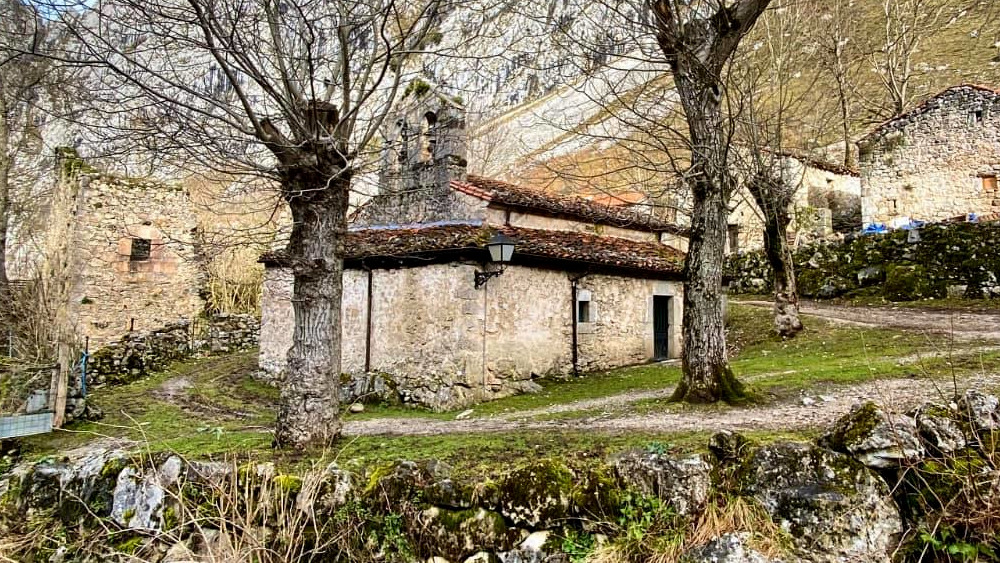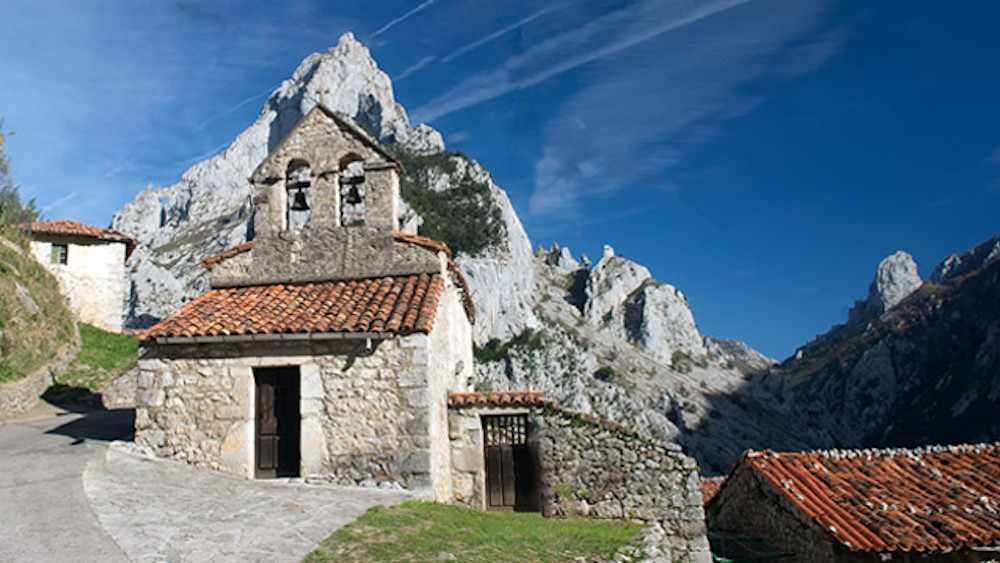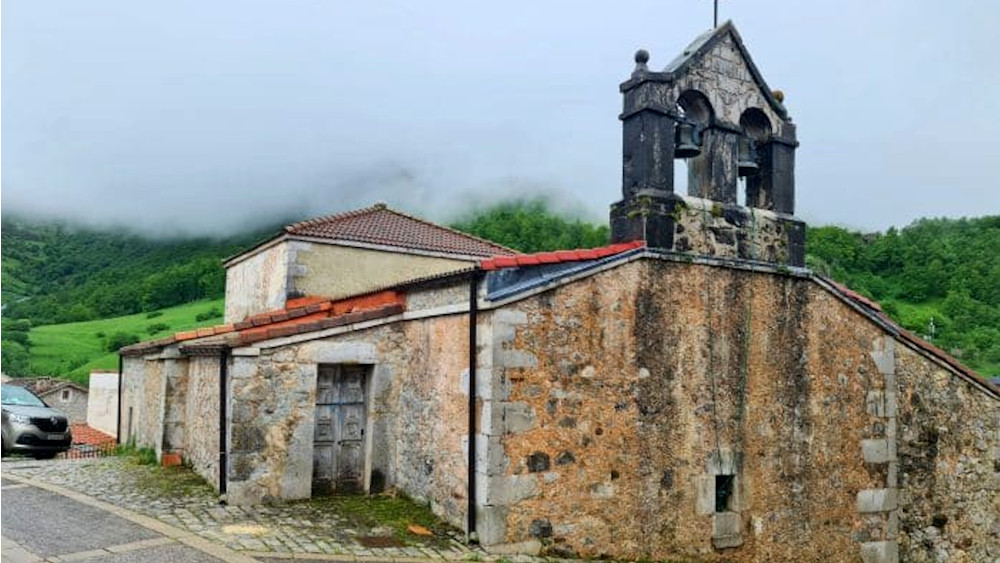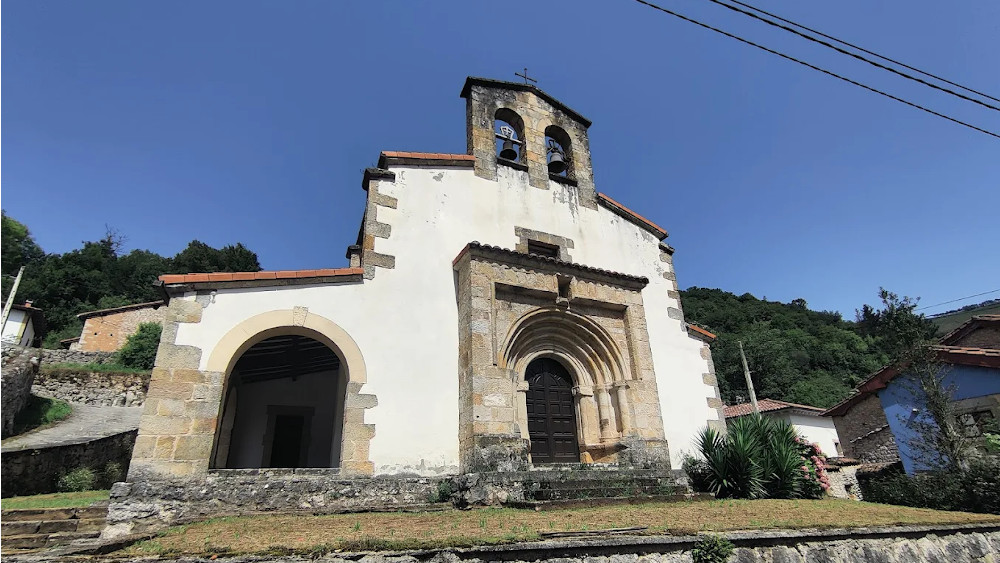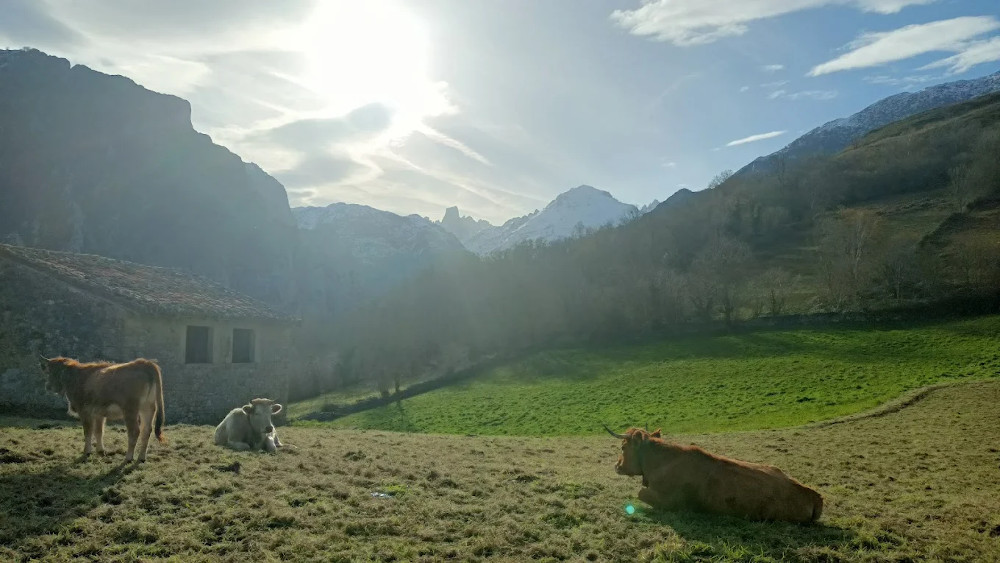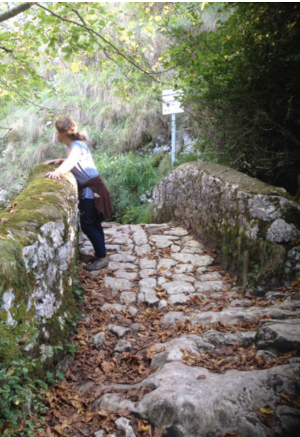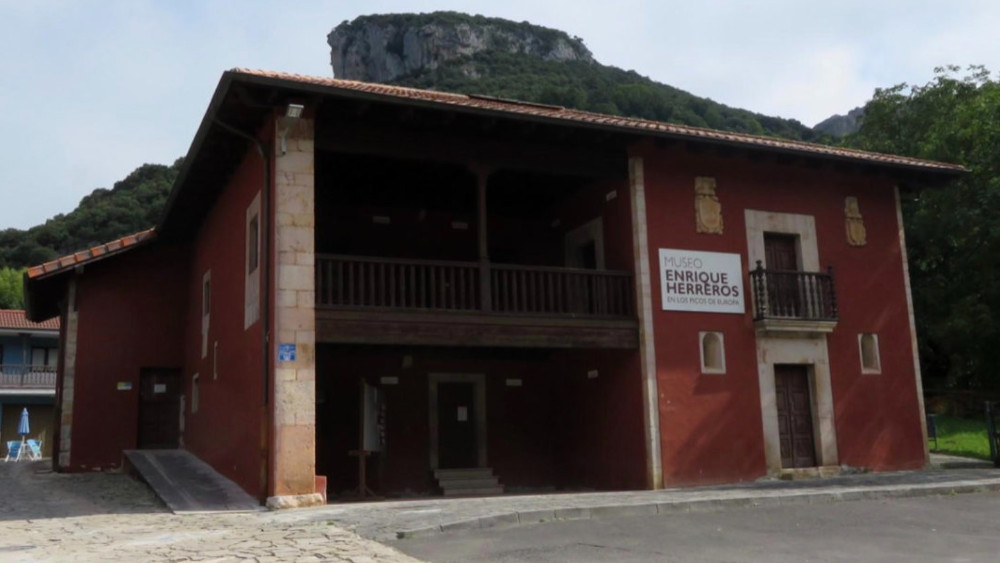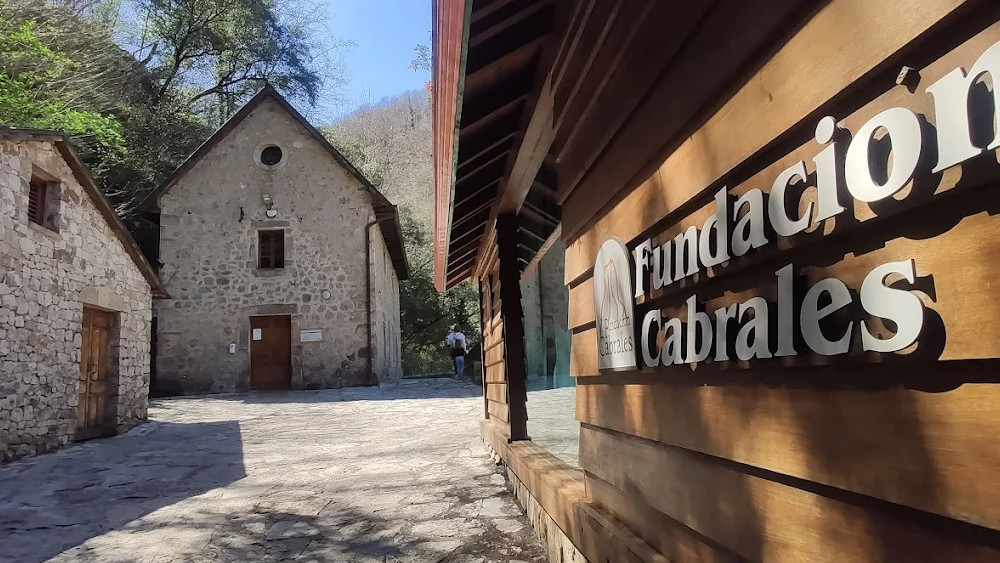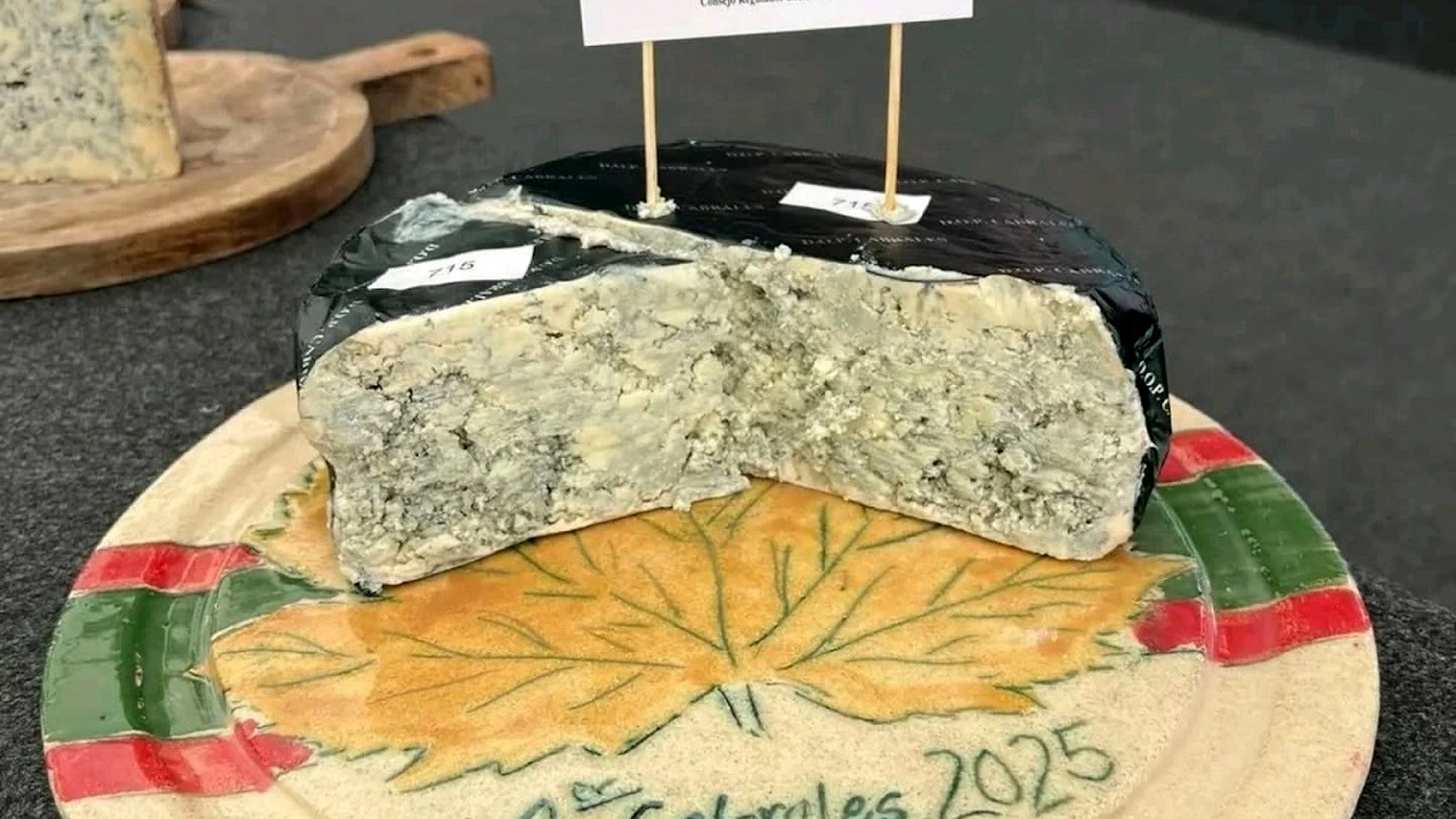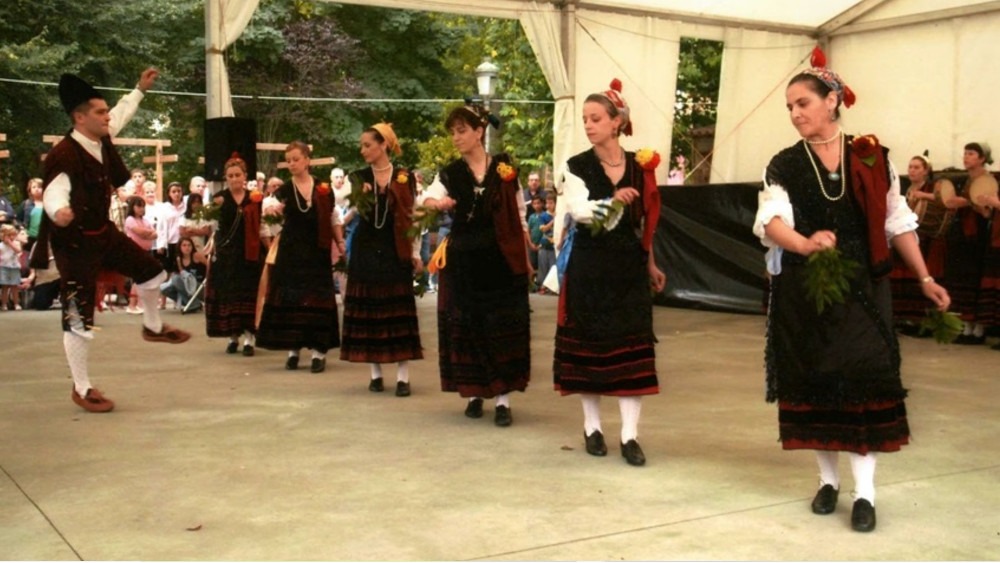
The heritage of Cabrales is the result of the continuous relationship between the community and the mountain territory. Culture and nature are not presented as separate areas, but as a shared reality that has shaped the landscape, villages and ways of life of the council over the centuries.
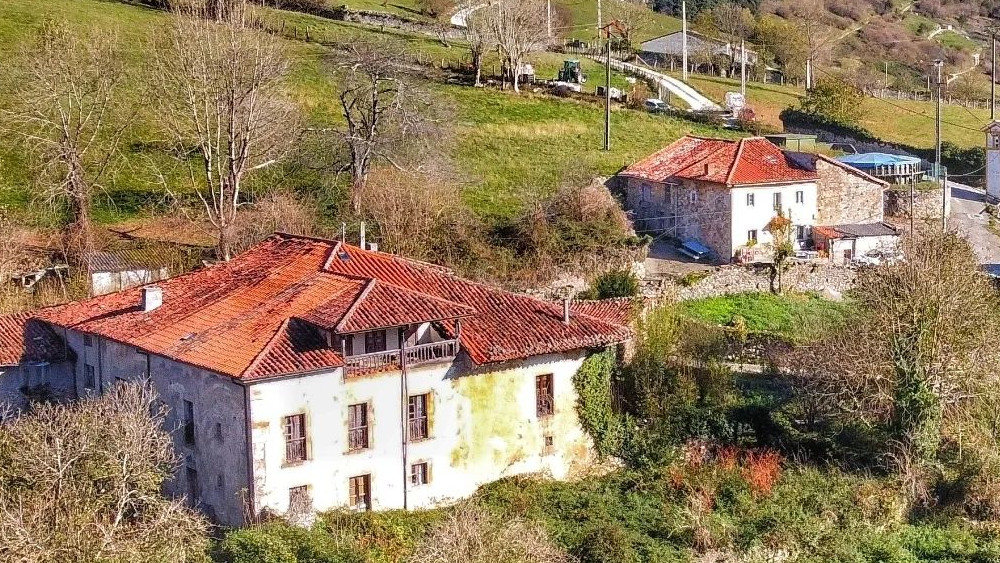
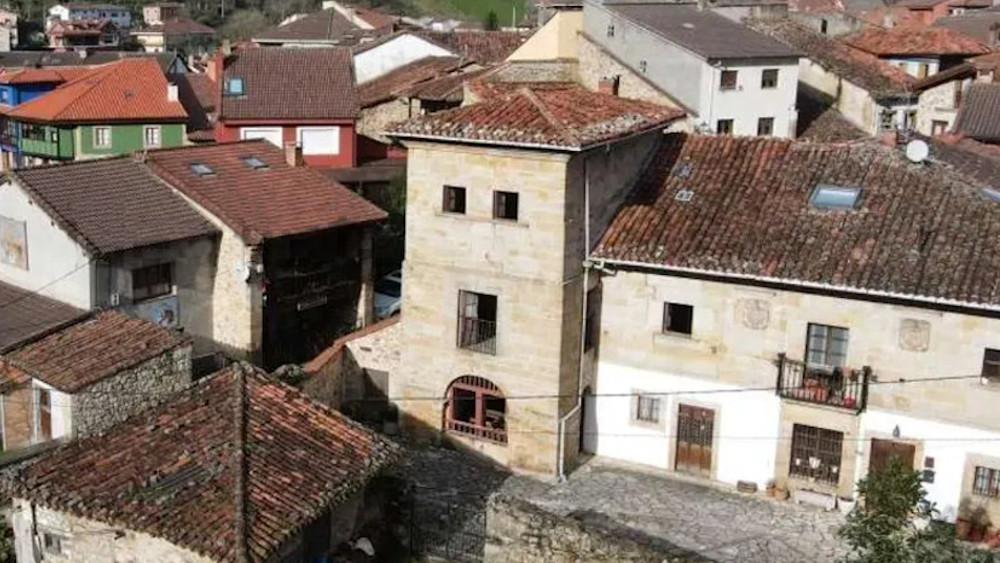
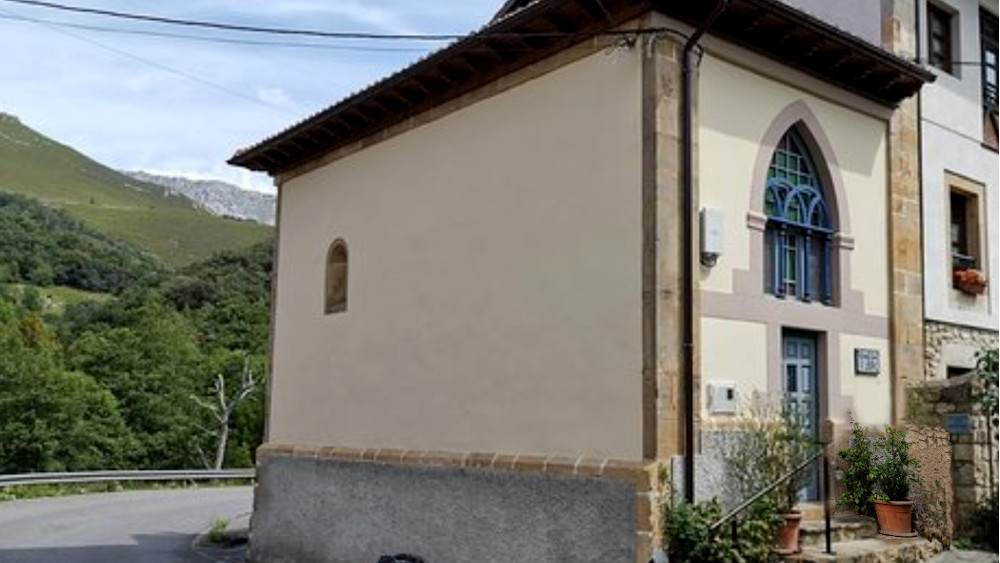
The cultural heritage is distributed throughout the parishes and rural centers, integrated into the hamlet and the natural environment. Churches, manor houses, traditional architecture and buildings linked to livestock activity are part of a set that can be discovered by walking through the villages and observing the elements that continue to be part of everyday life. This dispersed configuration responds to the historical model of occupation of the territory and to an economy linked to livestock farming and the exploitation of the mountain.
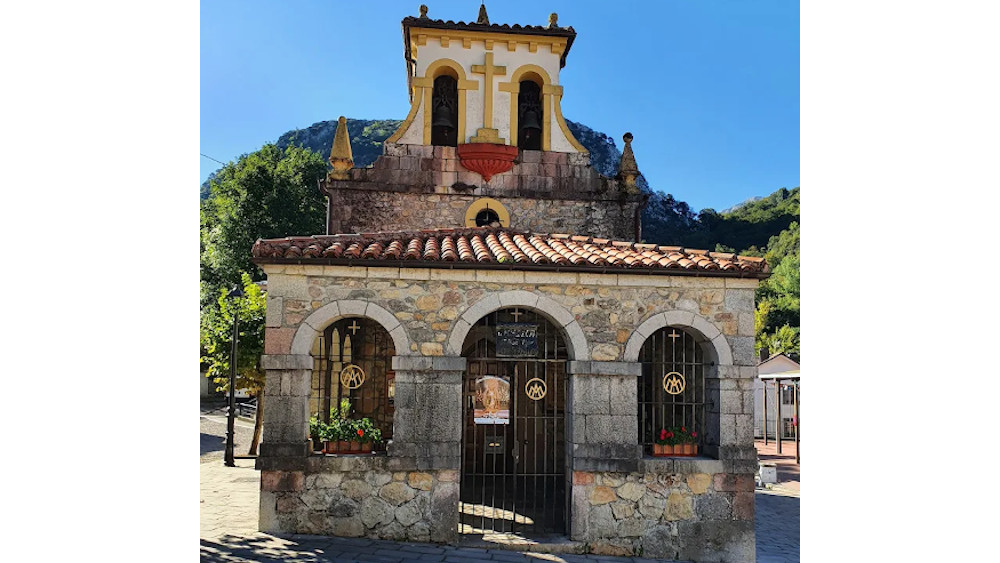
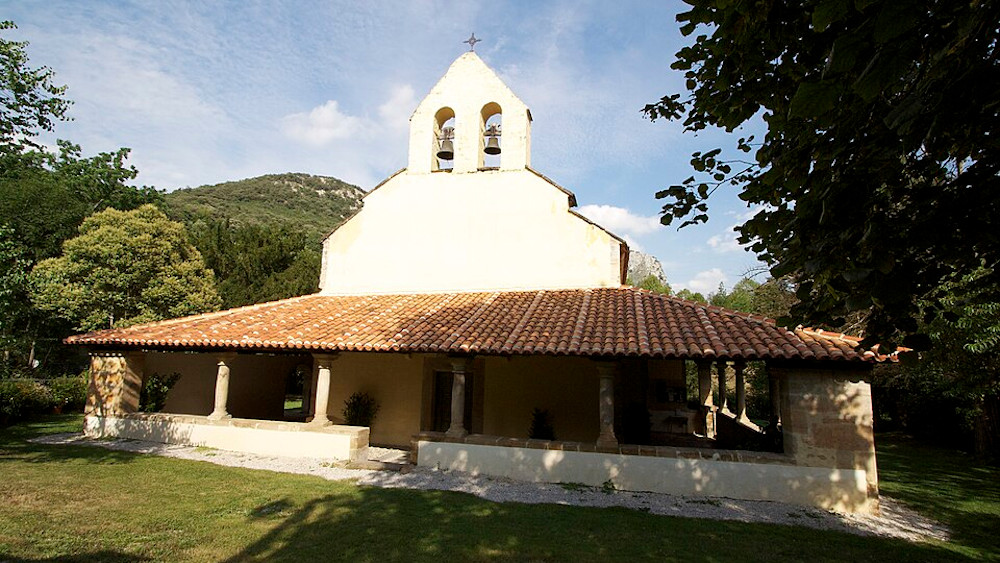
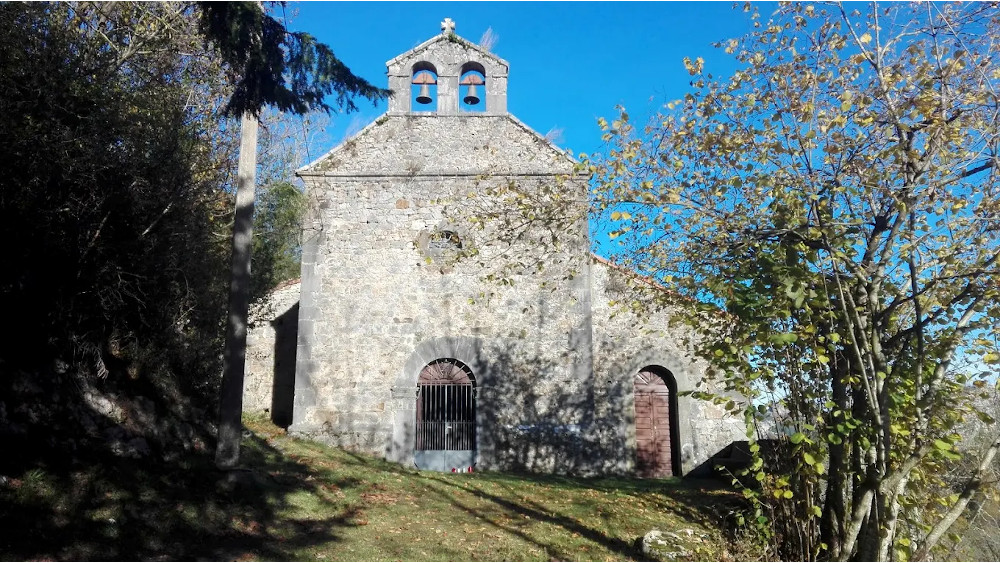
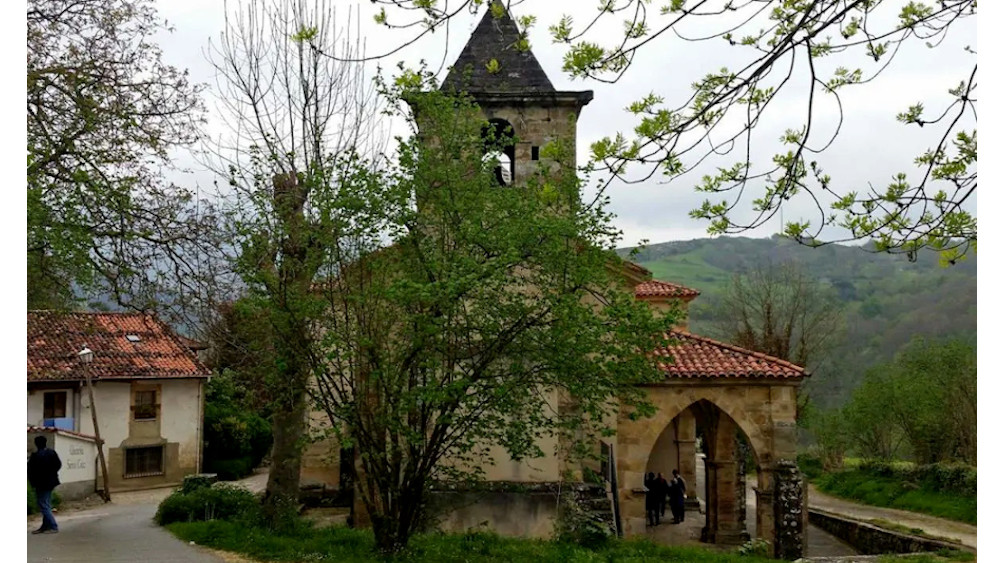
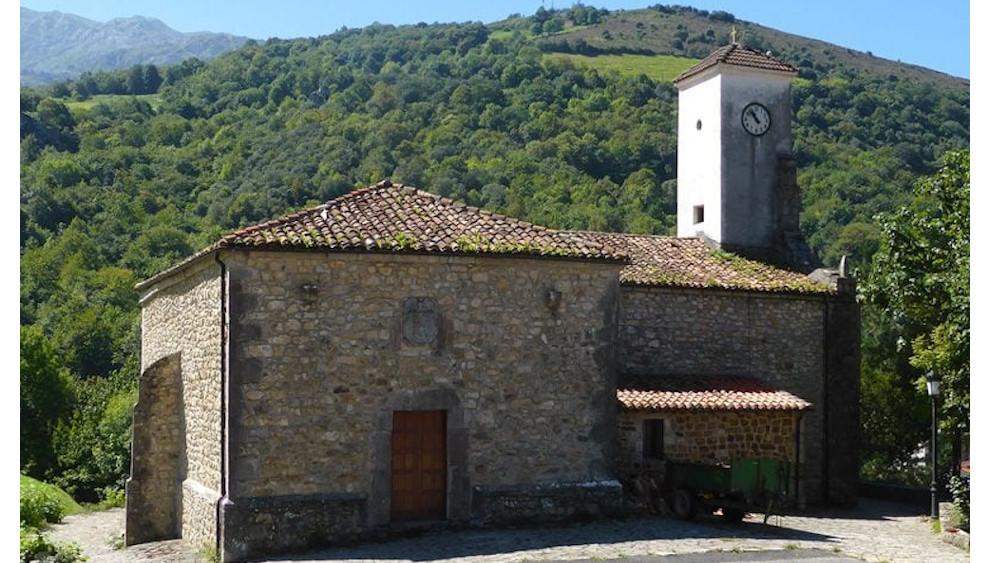
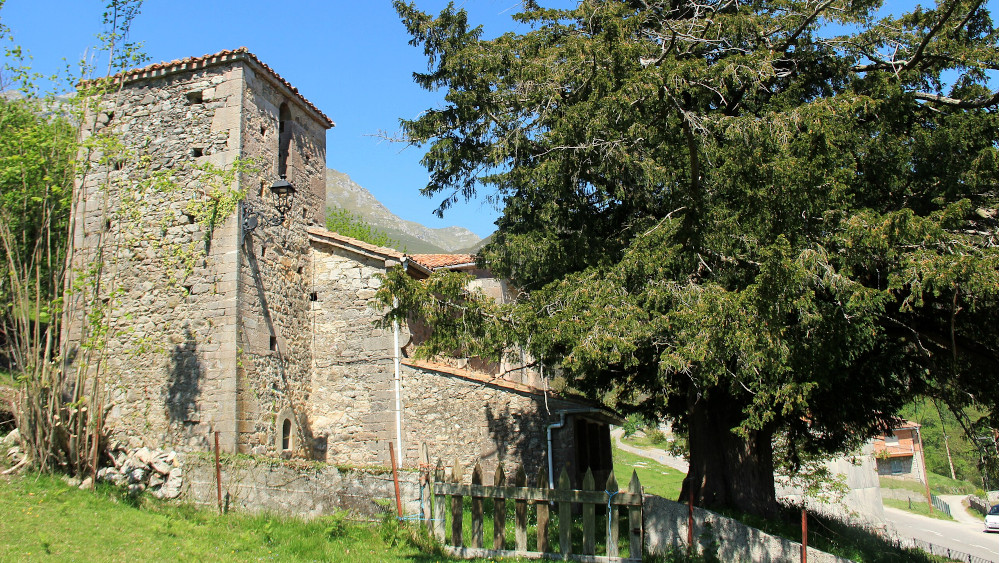
In the religious field, the council preserves outstanding examples of architecture of medieval and modern origin, such as the church of Santa María de Llas, in Arenas de Cabrales, together with the parish churches of Arangas, Inguanzo, Tielve or Sotres. These temples reflect the traditional organization of the territory and continue to be places of reference for the local population.
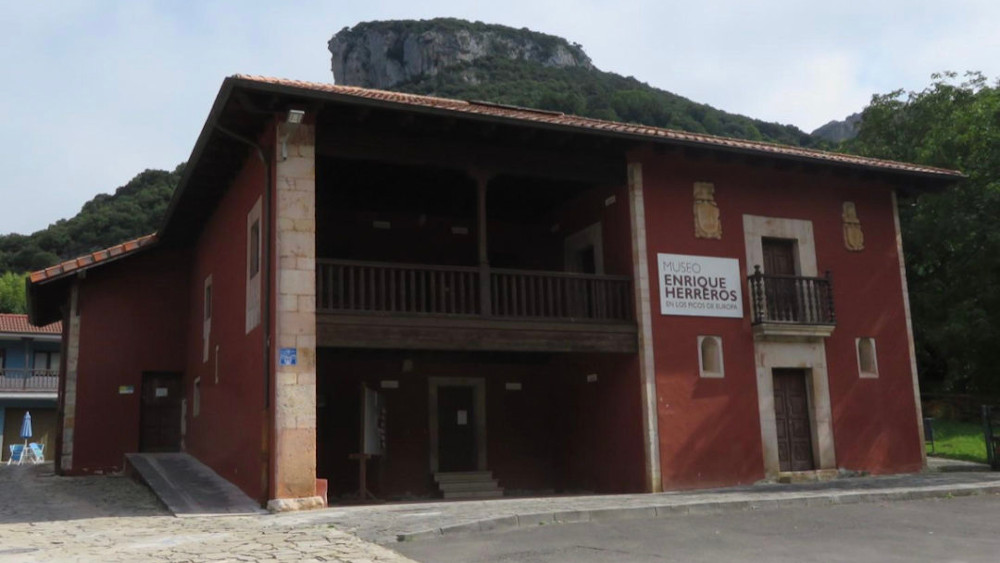
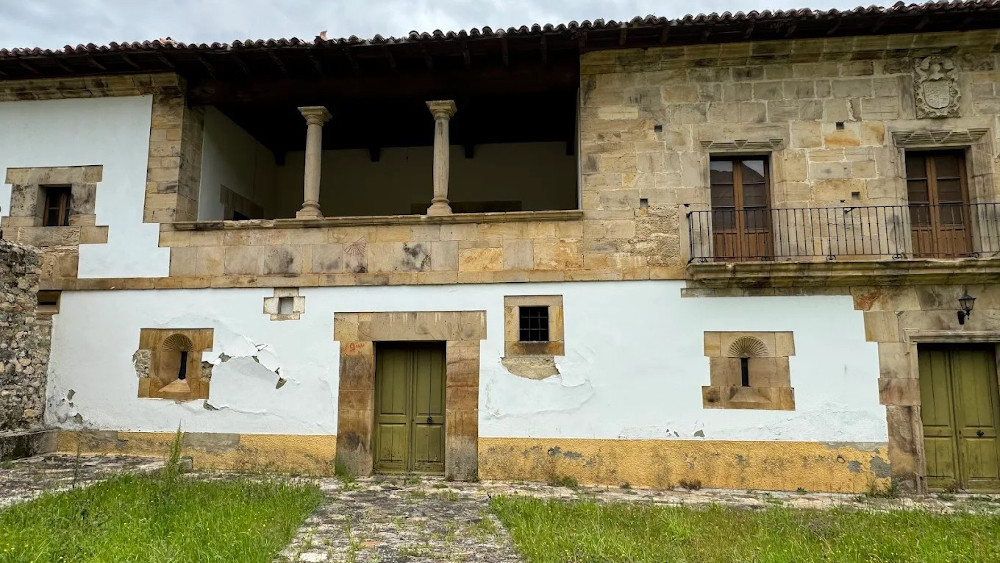
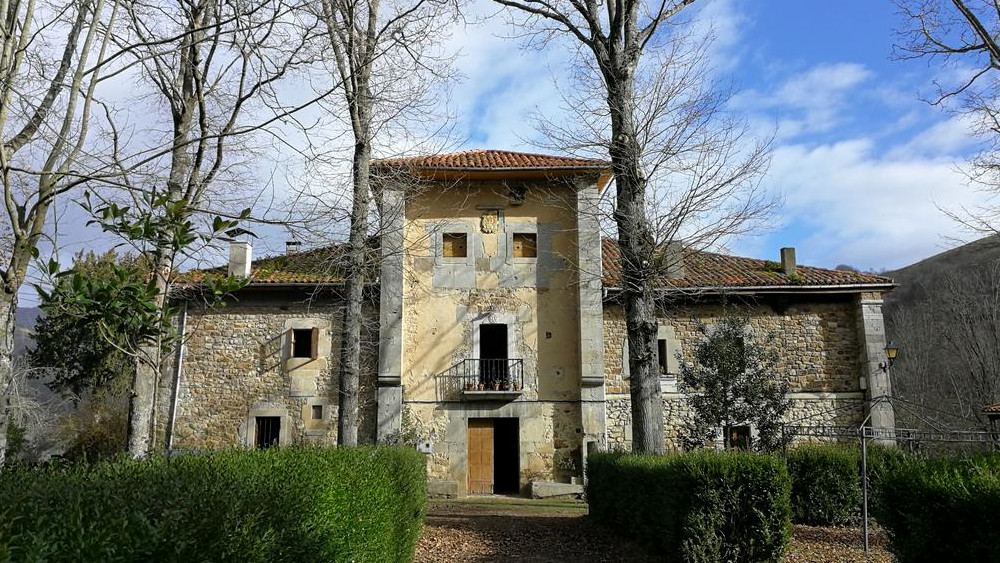
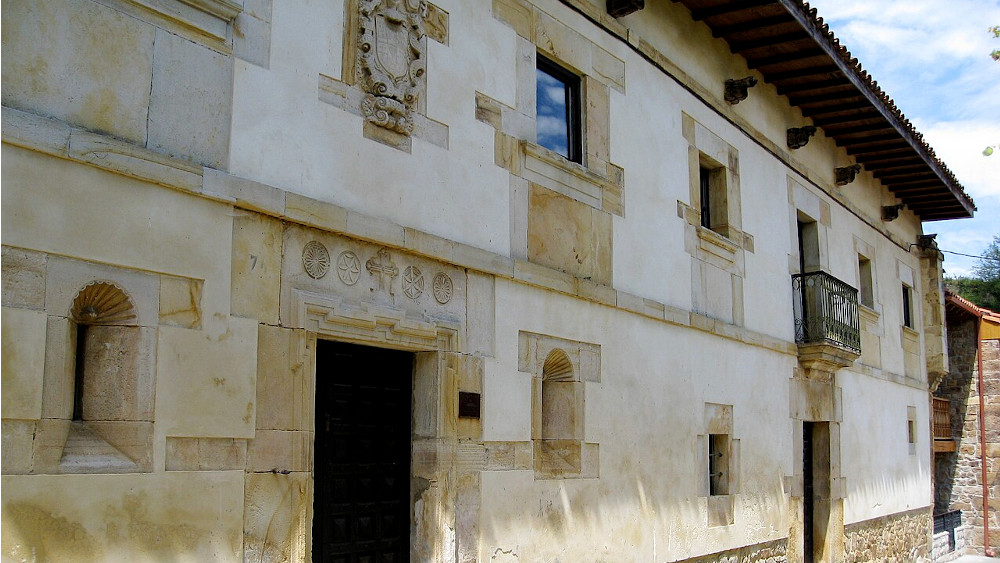
Alongside the religious architecture there are examples of civil architecture, such as palaces, ancestral homes and traditional manor houses distributed in different localities. Among them are the palace of Poo, the palace of Díaz Inguanzo in Berodia and several emblazoned houses integrated in the population centers, which show the social and economic evolution of the council.
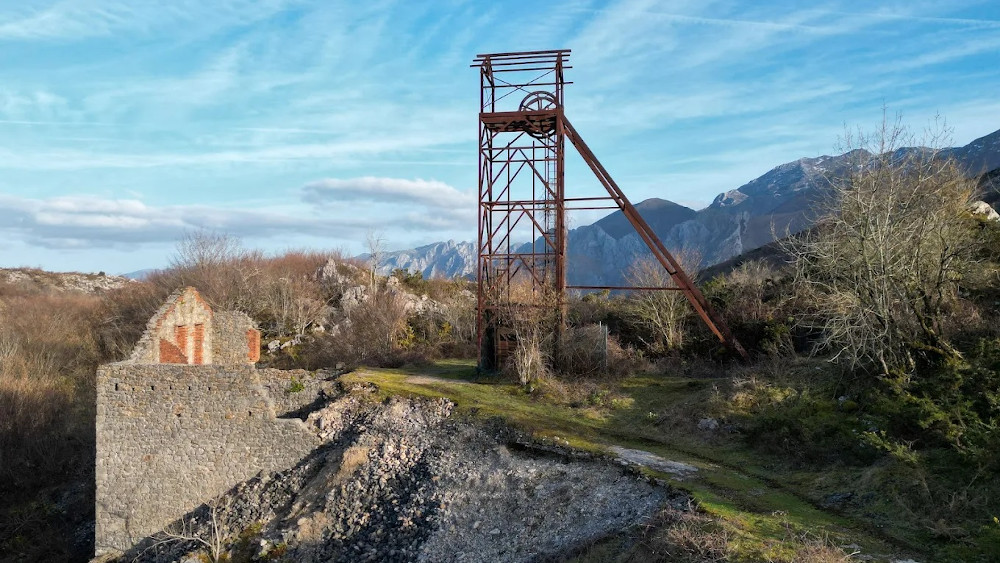
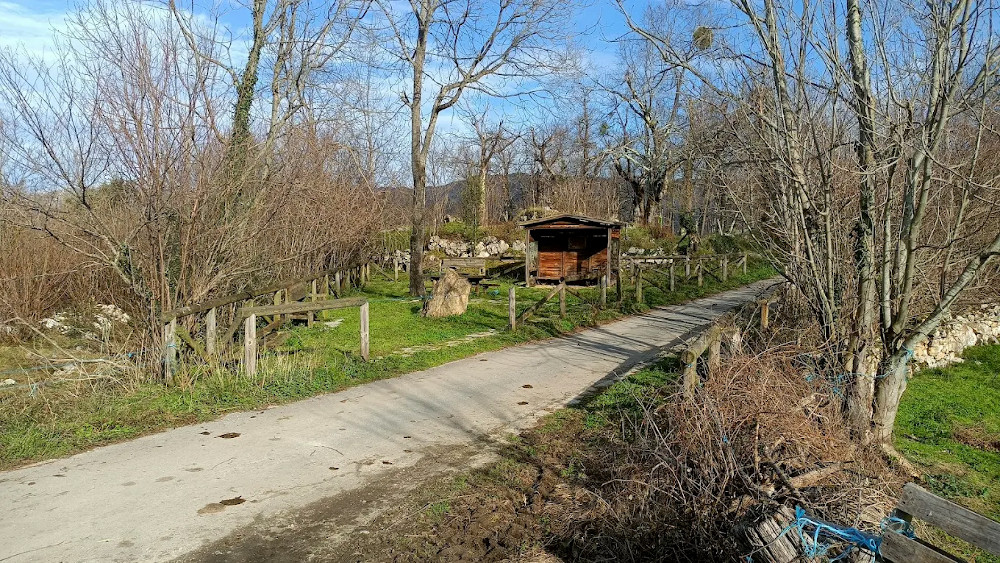
The heritage also includes numerous ethnographic elements linked to the traditional economy: water mills, granaries, llagares, fulling mills or buildings associated with the sheepfolds. These structures provide an insight into a way of life based on self-sufficiency and adaptation to the environment.
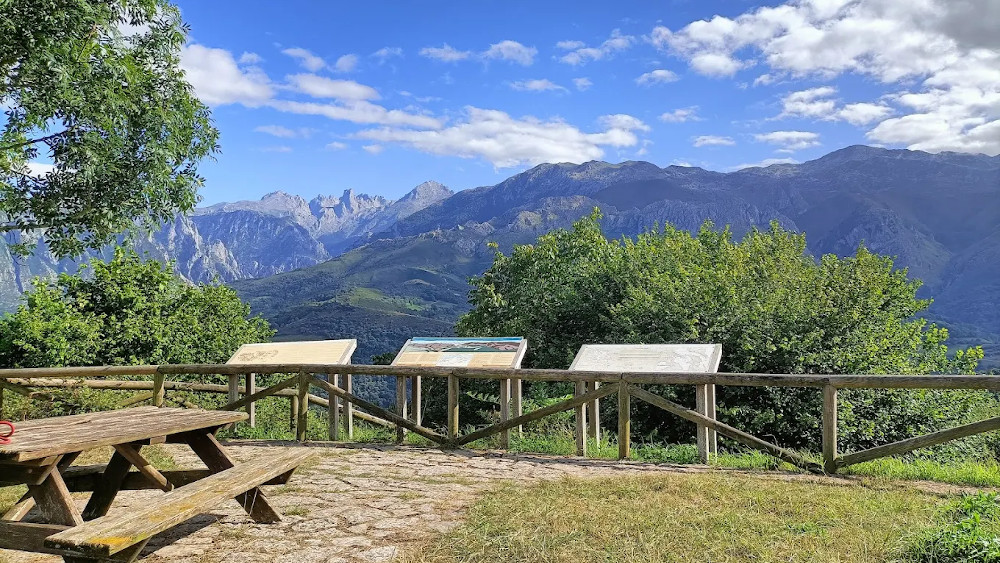
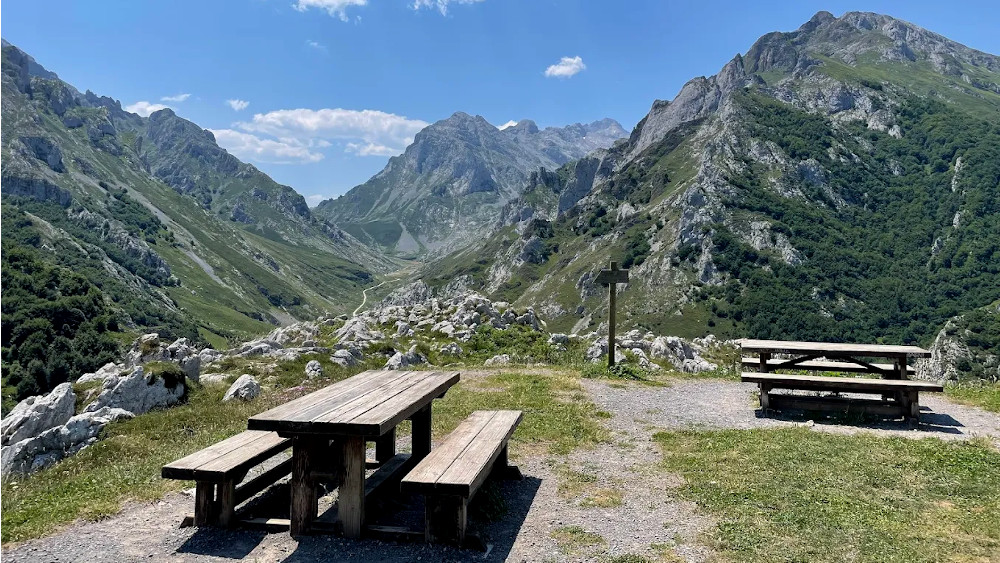
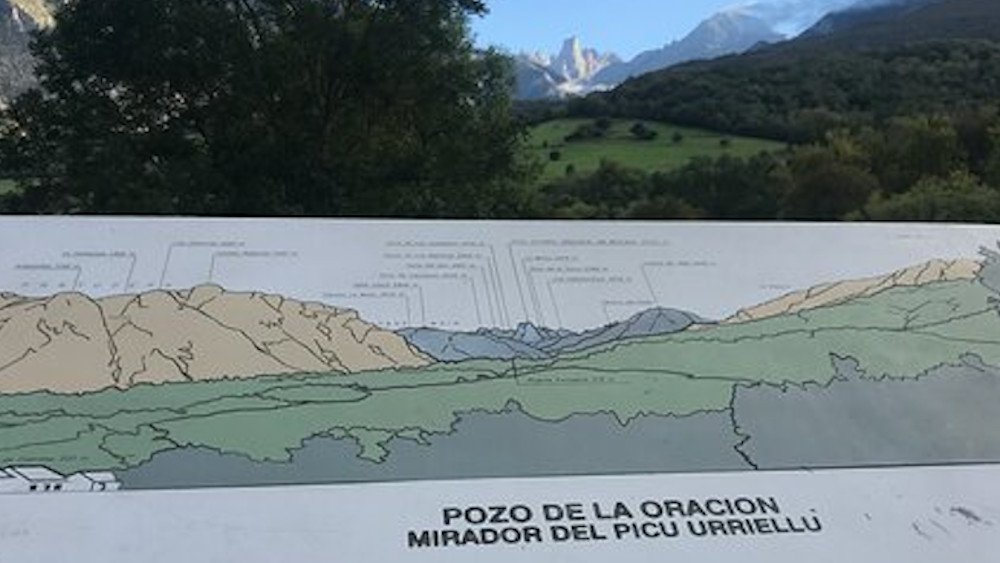
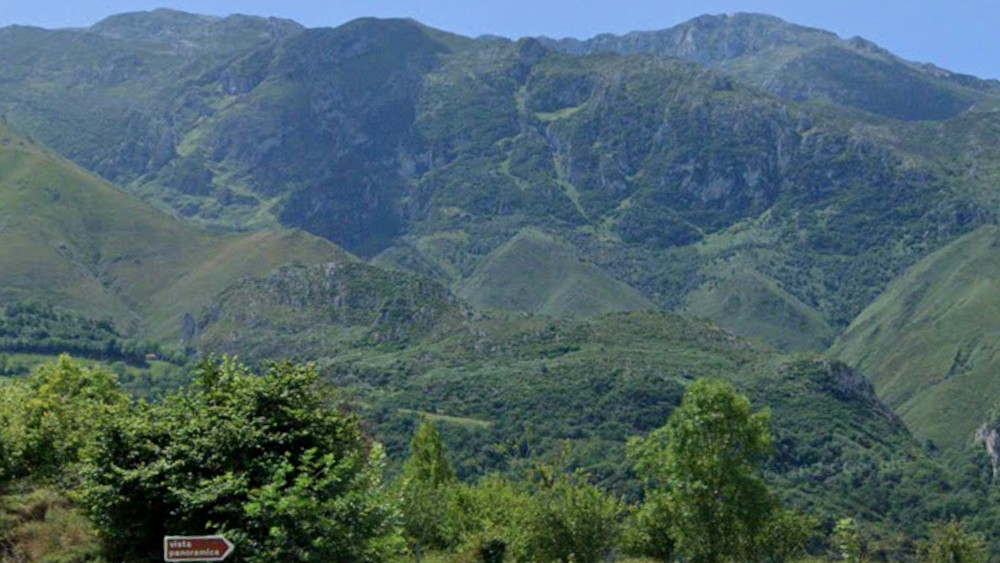
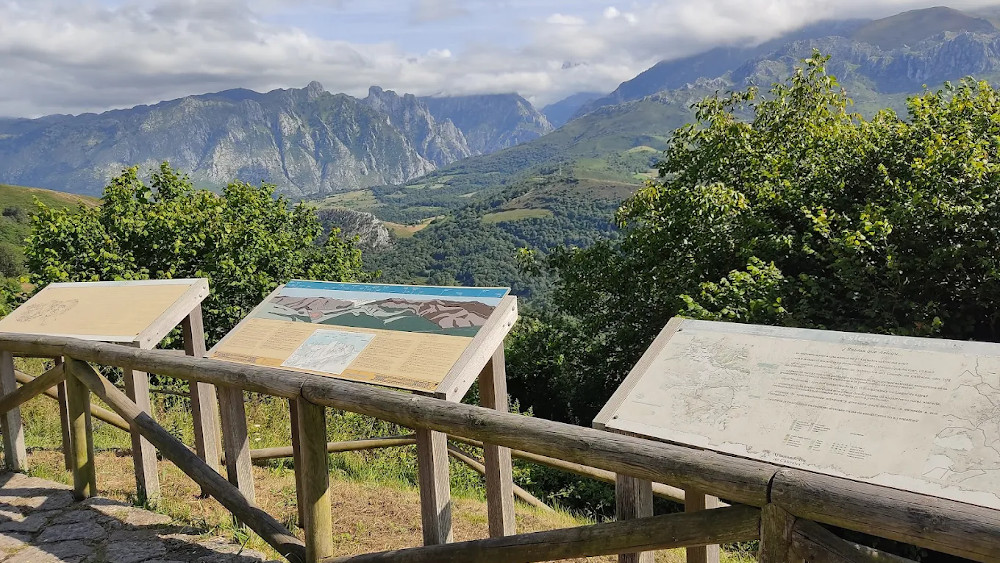
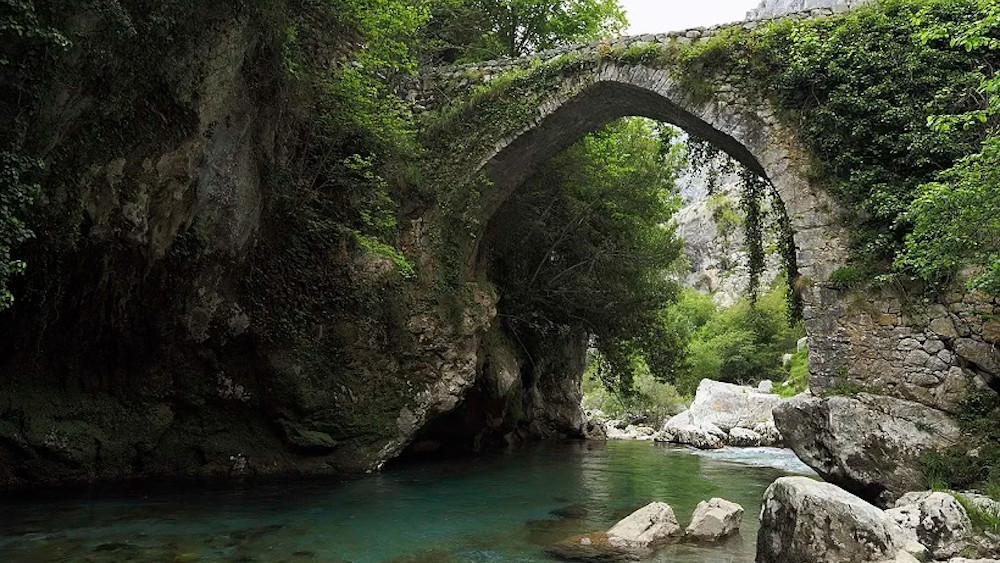
The natural heritage is an inseparable part of this ensemble. The high mountain landscape, gorges, karst systems, forests and high altitude pastures constitute an environmental value of the first order. Much of the territory is part of the Picos de Europa National Park, where the historical interaction between human activity and the natural environment has shaped a cultural landscape of great uniqueness.
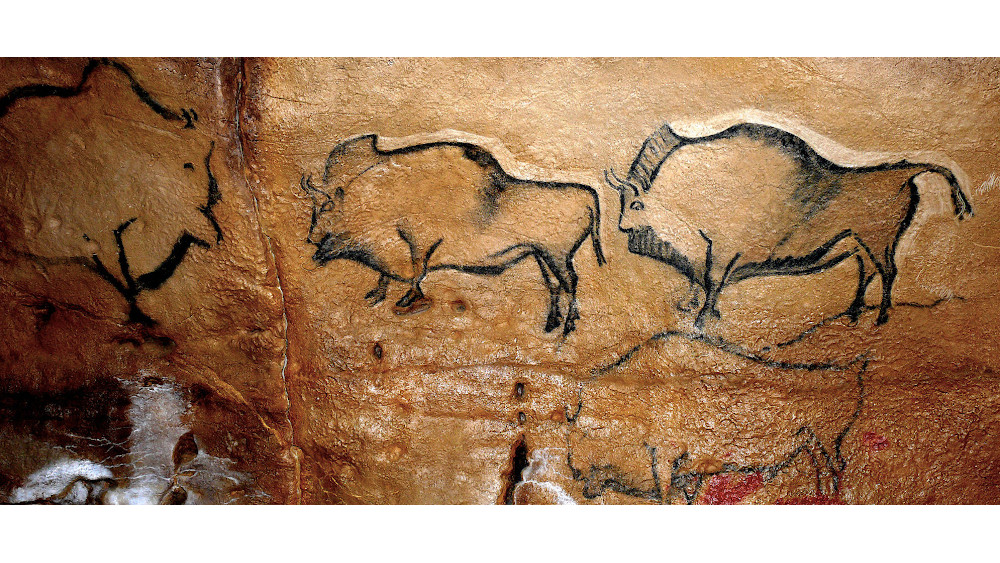
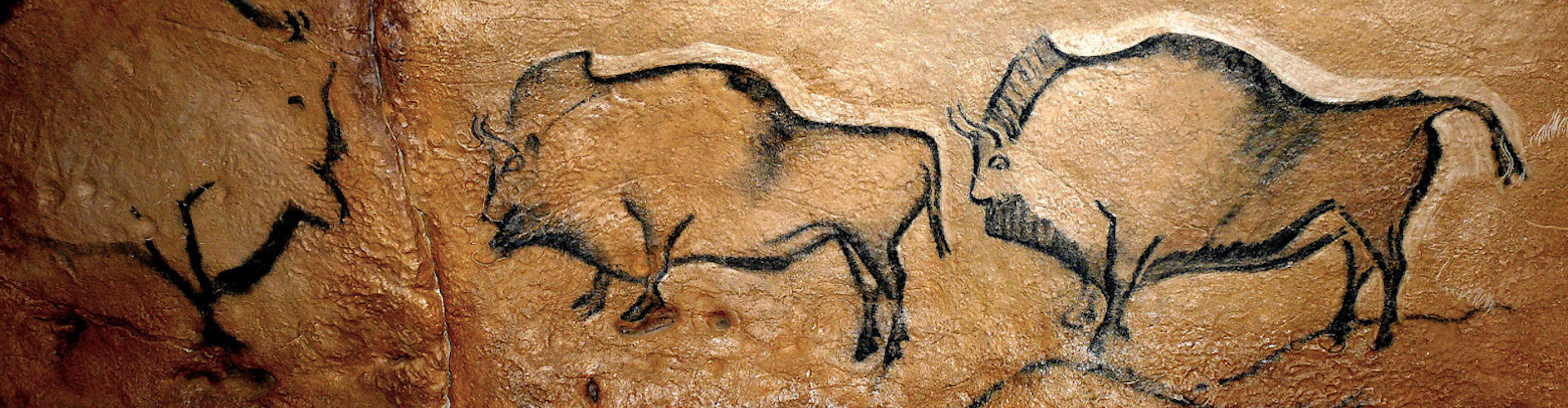
In this context, the Covaciella Cave, declared a World Heritage Site by UNESCO as part of the "Altamira Cave and Paleolithic rock art of northern Spain", stands out. Its cave representations place it among the main testimonies of Cantabrian Paleolithic art and make it one of the most relevant cultural assets of the council (if not the most relevant). Along with it, other elements have official protection as an Asset of Cultural Interest or have an outstanding patrimonial value at a local level. In many cases they are spaces integrated in inhabited environments or private use, so your visit should be made with respect for the environment and the population.
On the interactive map you can locate the main elements of the cultural and natural heritage of Cabrales and access detailed information on each of them.