"Three milks: cow, sheep and goat"
Livestock farming in Cabrales
Livestock farming is an essential part of the identity of Cabrales and of the landscape that defines the council. The presence of livestock in the meadows, in the mountain sheepfolds and in the summer passes has shaped the territory over generations and continues to be a fundamental activity in local life.
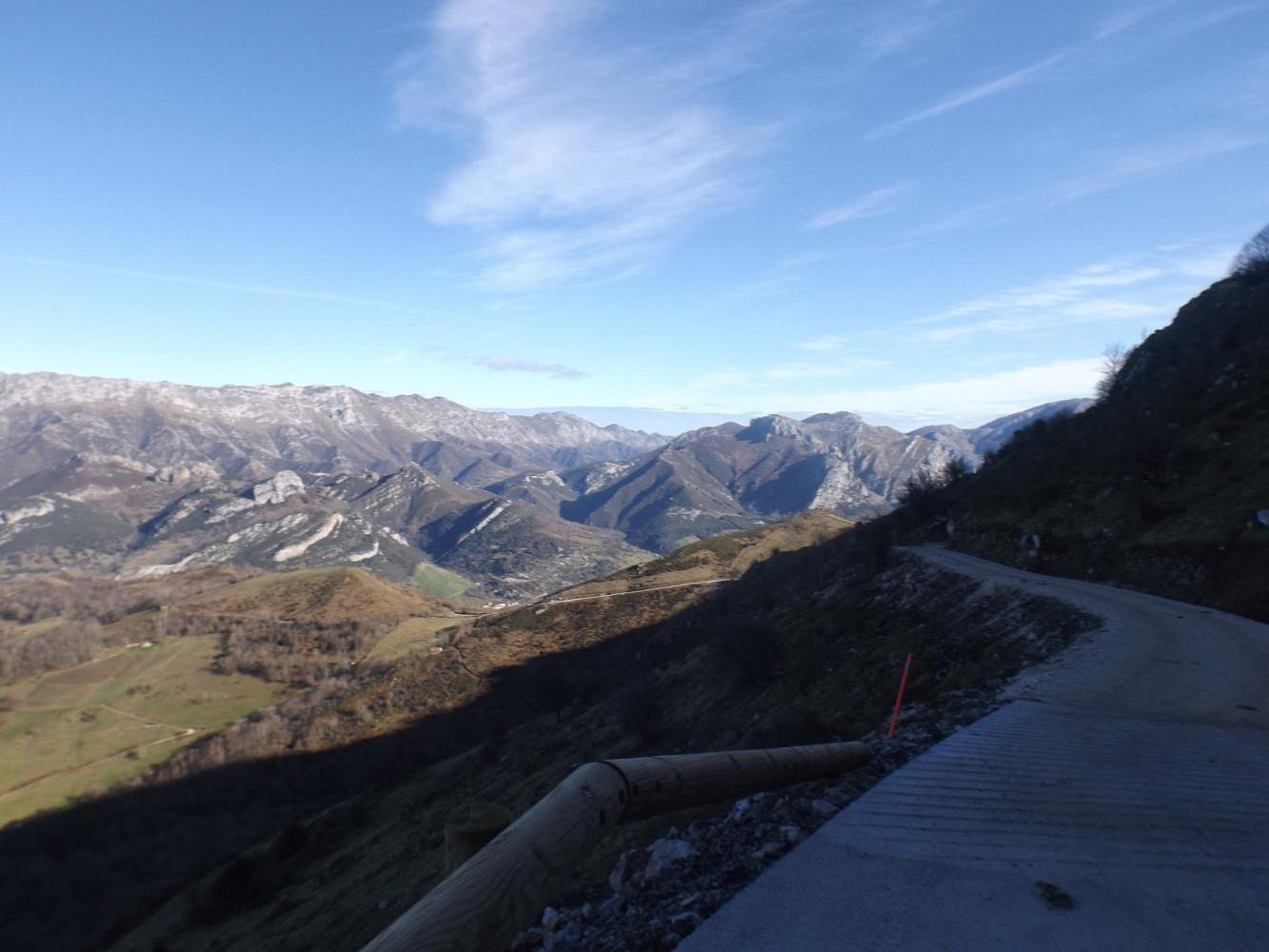
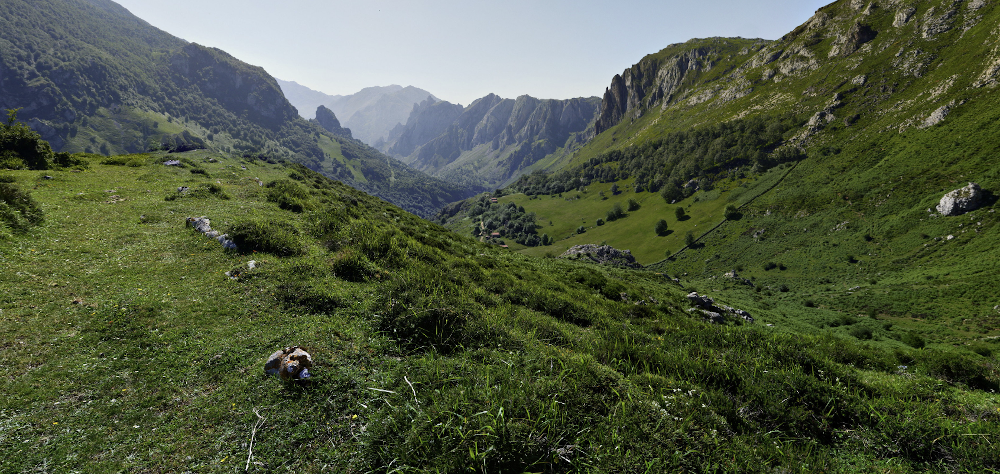
The high mountain relief, the quality of the pastures and the traditional use of the territory have shaped a livestock system closely linked to the natural environment. This relationship between human activity and landscape is one of the keys to understanding the character of Cabrales.
A landscape shaped by livestock
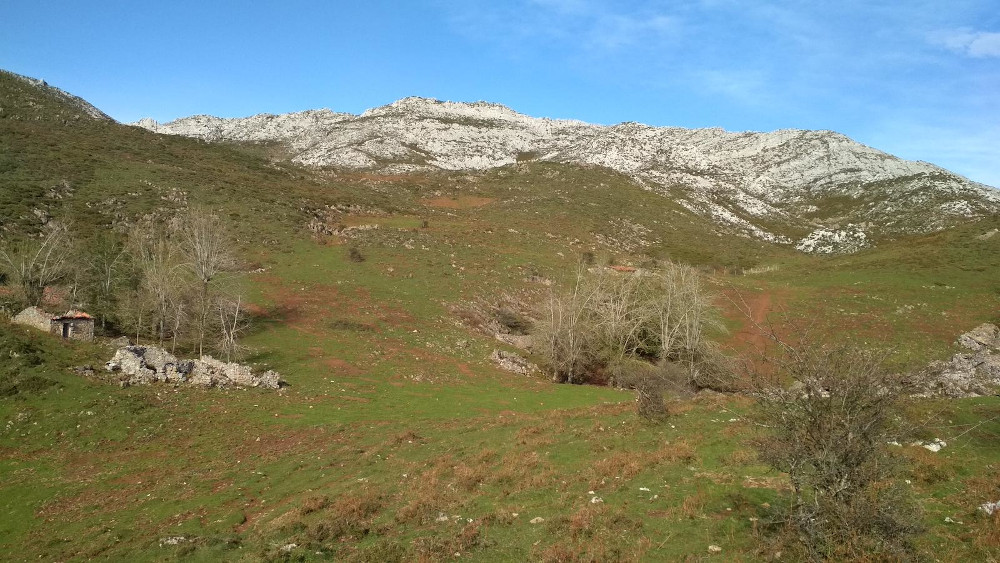
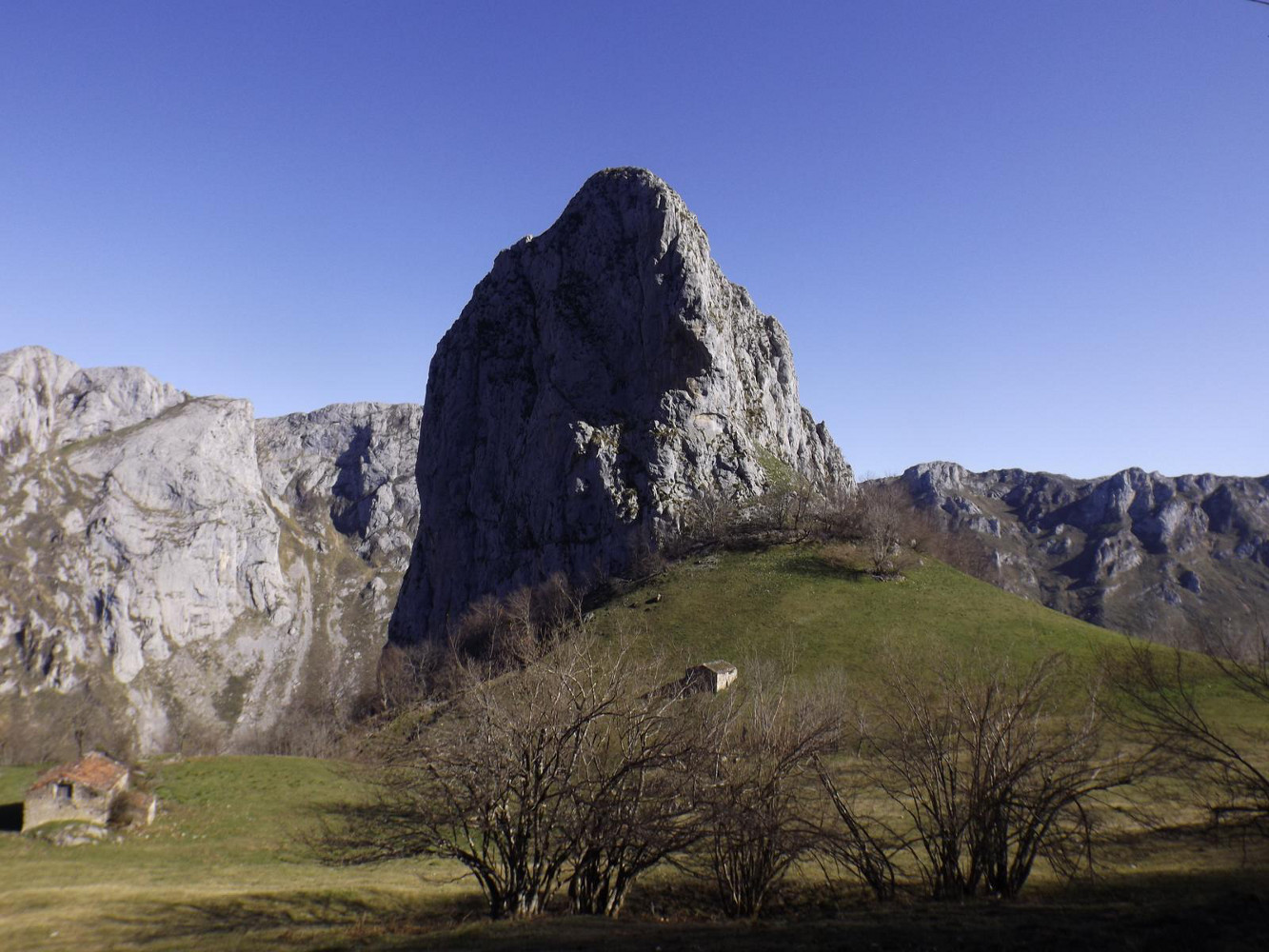
Meadows enclosed by stone walls, shepherds' huts, livestock trails and high altitude sheepfolds are part of the everyday landscape of the council. These elements not only reflect an economic activity, but also a way of life adapted to the mountains.
The maintenance of this landscape depends largely on livestock activity, which helps to preserve pastures, prevent the advance of scrubland and maintain a historical balance between nature and human activity.
Ports and sheepfolds
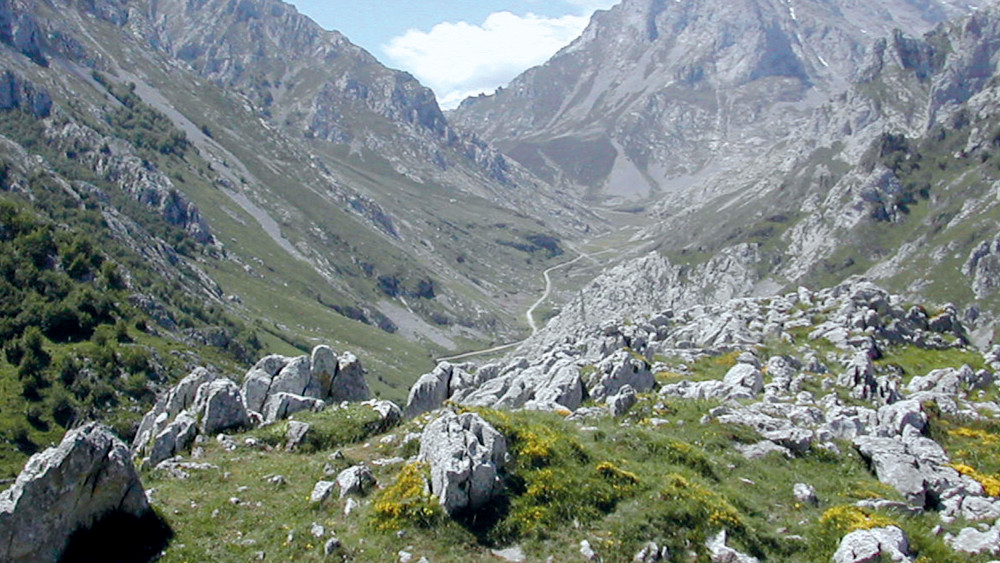
With the arrival of spring and summer, some livestock move up to the mountain passes and sheepfolds located both in the Cuera mountain range and in the mountains within the Picos de Europa National Park. This seasonal movement makes it possible to take advantage of the high altitude pastures and is part of a traditional practice that is still in force.
During these months, the highlands of the council maintain an intense activity linked to grazing and the care of livestock, configuring a landscape of great cultural and environmental value.
Livestock diversity
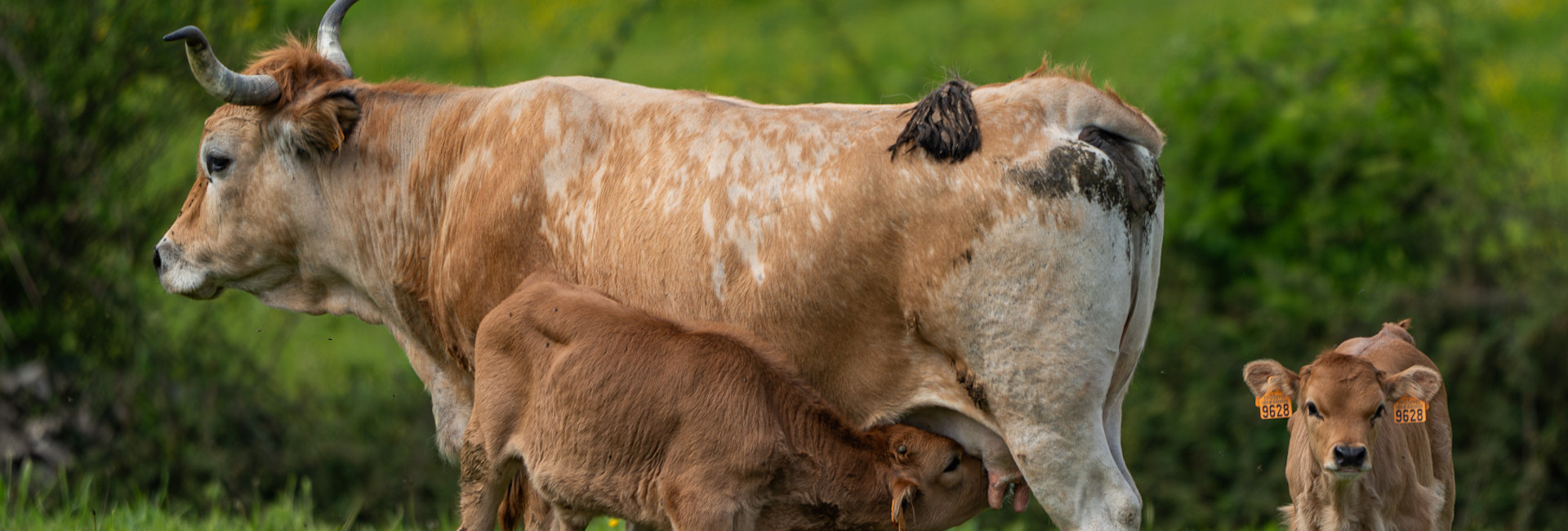
In the council coexist different livestock herds linked to dairy and meat production. Cows, goats and sheep are part of the traditional livestock system and provide the basis for the production of local products, especially those linked to the cheese-making tradition.
The presence of cabritu and lamb in the local gastronomy also reflects this continuity of livestock activity and its direct connection with the cuisine of the territory.
A living activity
Far from being a vestige of the past, livestock farming continues to play an essential role in the economy and in the management of the territory. The activity of livestock farmers contributes to the maintenance of the landscape, the conservation of mountain pastures and the production of foodstuffs linked to the council.
Their continuity guarantees the preservation of a way of life that is part of the cultural and natural heritage of Cabrales.
Livestock farming and Cabrales cheese
The production of Cabrales cheese cannot be understood without local livestock farming and the traditional use of mountain pastures. The quality of the meat, the milk and the livestock management system are directly related to the character of this emblematic product of the council.
Livestock farming is, therefore, the basis of one of the main signs of identity of Cabrales and of its gastronomic recognition.
The basis of Cabrales is extensive mountain livestock farming. The milk must come exclusively from herds registered in the production area (Concejo de Cabrales and three villages in Peñamellera Alta).
Livestock management: The system is based on the use of natural pastures. During the winter, the cattle remain in the valleys or stabled if the weather is severe. However, in spring and summer, the herds ascend to the high mountain pastures, known as majadas
The Milk Blend: Although it can be made with cow's milk alone, the most appreciated Cabrales is the blended one.
Cow: It provides the fat base and volume.
Goat and sheep: They provide the acidity, intense aroma and characteristic spiciness. As these species produce milk seasonally, "tres leches" cheese tends to be more frequent in the spring and summer months, coinciding with grazing at high altitude
Travel some of these routes to experience our livestock essence.