The festivals of Cabrales are an essential part of the community life of the council. Each village celebrates its festivity, linked in most cases to the religious calendar and the traditional livestock cycle. This festive calendar is distributed in the different villages, reflecting its territorial structure and the identity of each nucleus.
Local holidays by locality (add the missing ones and change the format)
Each locality preserves its own celebration, configuring a calendar that marks the main festive moments:
Inguanzo - San Antón
January 17
Arenas de Cabrales - San Juan
June 24
Tielve - Santiago
July 25
Asiego - San Roque
16 August
Sotres - Virgen de Covadonga
8 September
Carreña - Virgen de la Salud
13 September
These celebrations combine religious events, traditional music, gastronomy and neighborhood meetings, and continue to be moments of reference both for the local population and for those who visit the council.
Festive events of reference
Alongside the parish festivals, Cabrales hosts celebrations with greater projection and convening capacity.
Cabrales Cheese Festival
Arenas de Cabrales - last Sunday in August
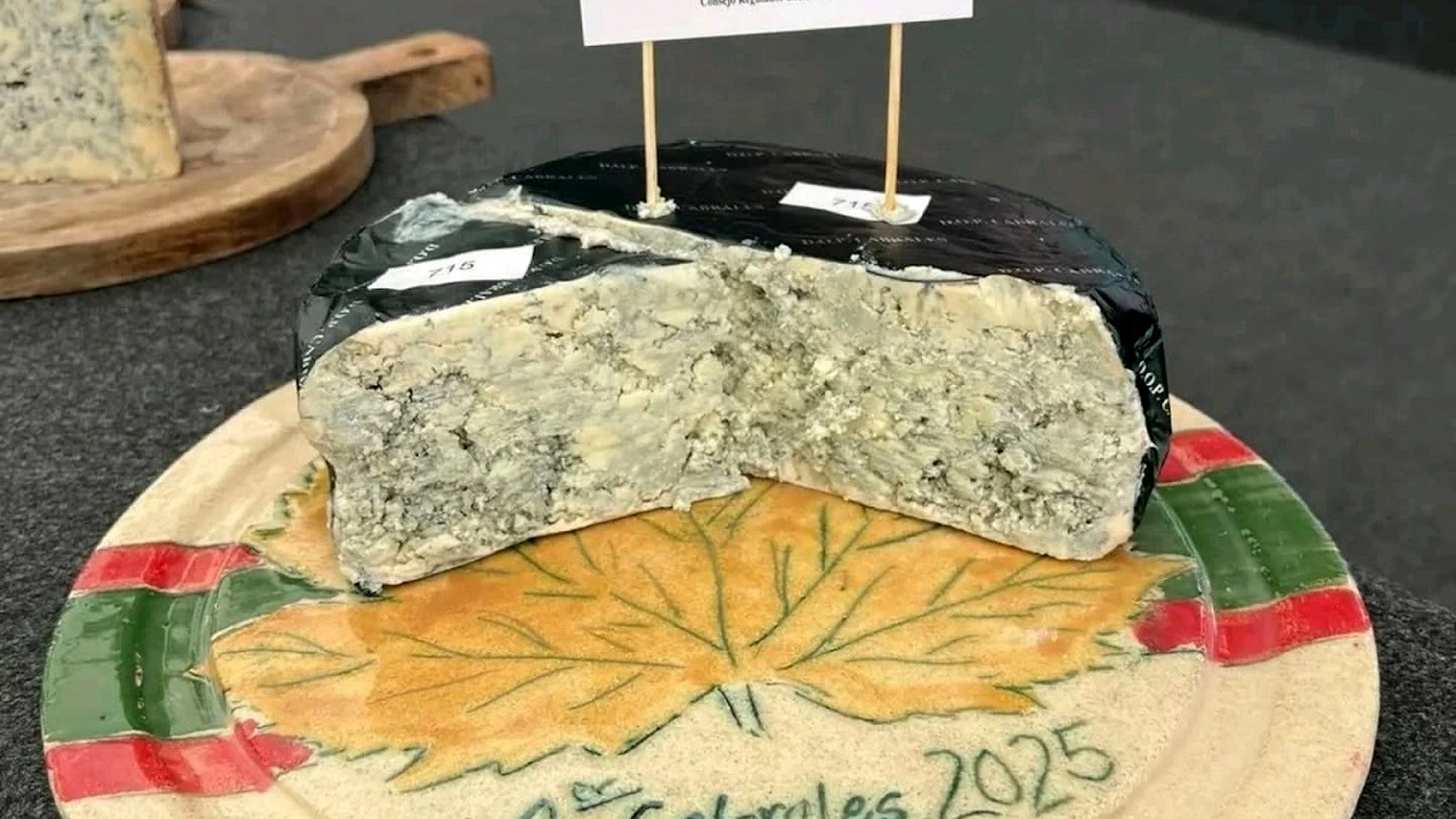
This is the most important festive event in the council and one of the most renowned gastronomic events in Asturias. During the day the best cheese of the year is chosen and the appointment of the Senior Shepherd of the Picos de Europa is made in recognition of the livestock trajectory.
The festival is a public tribute to the pastoral culture and the production of Cabrales Cheese with Designation of Origin.
Cabrales from Village to Village (rewrite)
Council of Cabrales - itinerant programming
Traditions and intangible heritage
Beyond the festive calendar, Cabrales preserves cultural manifestations that are part of its intangible heritage.
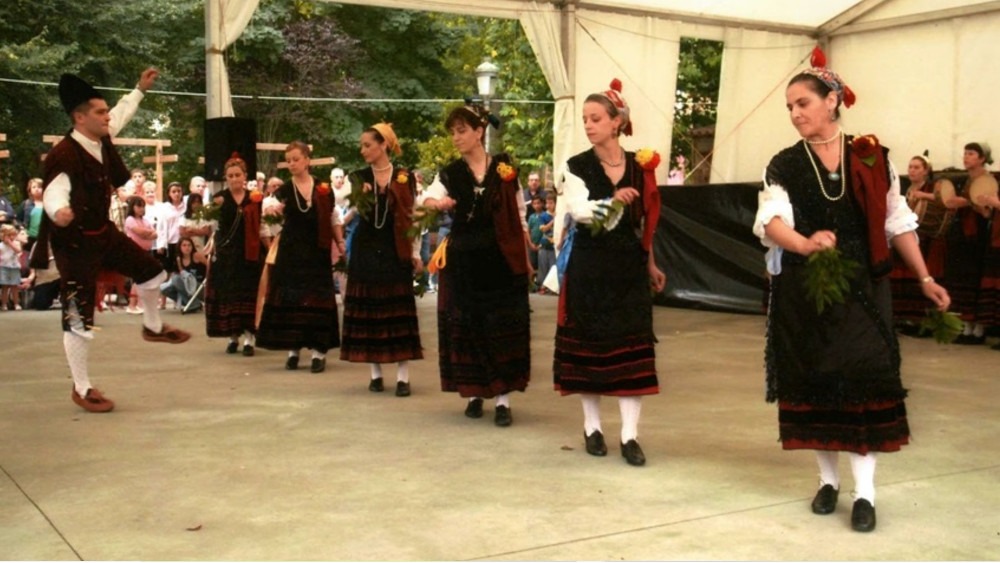
The Corri-Corri, declared an Asset of Cultural Interest, is the most unique folkloric expression of the council and is traditionally performed in Arenas during the festivities of San Juan.
The Joguera, present in towns such as Tielve or Asiego, consists of the planting of a large tree in the town square as a symbol of neighborhood cohesion and the beginning of the celebrations.
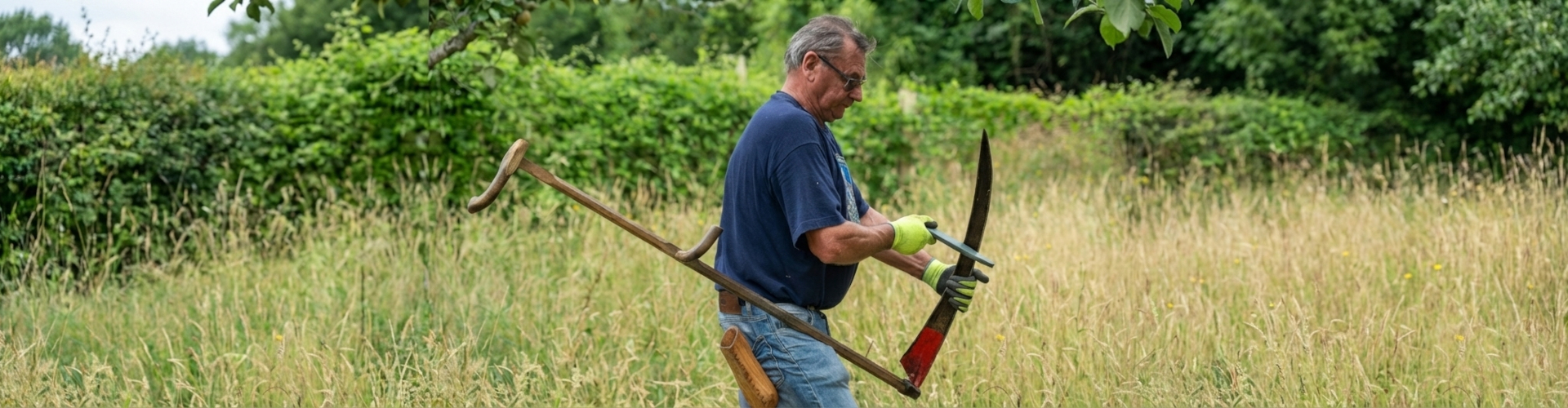
The vertical transhumance, practiced throughout the council during spring and autumn, is one of the historical bases of local culture. The seasonal transfer of livestock and families to the high altitude sheepfolds organized economic and social life for generations, shaping the landscape and the traditional model of mountain use.
The livestock tradition, life in the sheepfolds and the oral transmission of stories and popular beliefs are part of this cultural legacy, closely linked to the mountain territory.